Blog
Can Reman Injectors Be Reliable for Diesel Trucks?


A failed injector does not care whether your truck is pulling a loaded trailer, feeding cattle, or sitting in a shop bay with a deadline attached. The real question is: can reman injectors be reliable enough to put an engine back in service without gambling on repeat repairs? Yes – but only when the injector was rebuilt, tested, and matched to the application correctly.
A remanufactured injector is not automatically a budget compromise. A properly remanufactured unit can deliver dependable fuel control and service life at a lower cost than new OEM. A poorly rebuilt injector, on the other hand, can create hard starts, rough idle, excess smoke, fuel dilution, piston damage, or a no-start condition before the truck ever leaves the lot. The difference is in the rebuilding process, not the word “reman.”
Can Reman Injectors Be Reliable? Yes, With the Right Process
Reliability starts with the core. Every injector sent in for rebuilding has a history, and that history matters. A core may have normal wear from high mileage, or it may have been damaged by water contamination, metal debris from a failing pump, overheated fuel, incorrect installation, or electrical failure. A professional remanufacturer inspects the core instead of assuming every used injector is worth saving.
From there, the injector must be completely disassembled, cleaned, measured, and rebuilt with components that meet the required tolerances. The critical surfaces inside a diesel injector work under extreme pressure. On common rail systems, even a small issue with internal leakage, nozzle flow, solenoid response, or control-valve operation can change how the engine runs.
Testing is where dependable reman injectors separate themselves from parts that merely look clean in a box. The injector should be validated for opening behavior, return flow, delivery quantity, spray pattern where applicable, and response across operating conditions. For electronically controlled injectors, electrical checks matter just as much as mechanical checks.
On applications that require it, trim code or calibration code programming is also part of getting the job right. The engine control module uses injector-specific data to manage fueling accurately. Installing an injector without the proper code, or using a unit that was not calibrated for the application, can cause drivability complaints even if the injector itself is mechanically sound.
What Separates a Good Reman Injector From a Risky One?
The lowest price is rarely the best way to evaluate an injector. Diesel fuel systems are too precise, and the labor to access injectors on many engines is too expensive, to make a questionable part worthwhile. Look at the process behind the part.
Core Selection and Inspection
A reputable rebuilder rejects cores that cannot be restored to specification. Cracked bodies, damaged threads, severe corrosion, worn critical bores, and failed electronic components are not problems that should be hidden under new paint. Good core management is one reason reman injectors can be a practical option for fleet maintenance and working trucks.
Correct Parts and Calibration
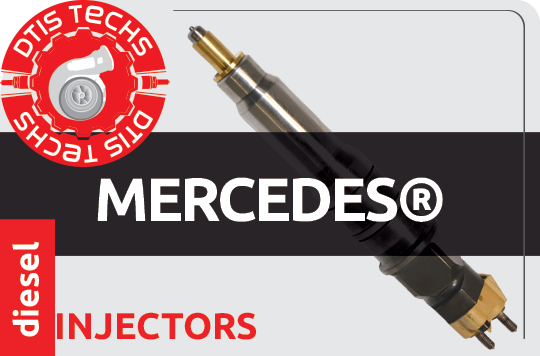
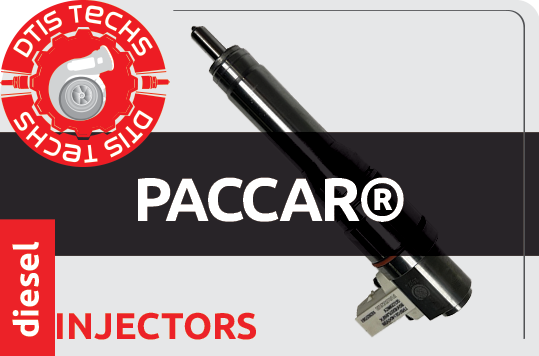
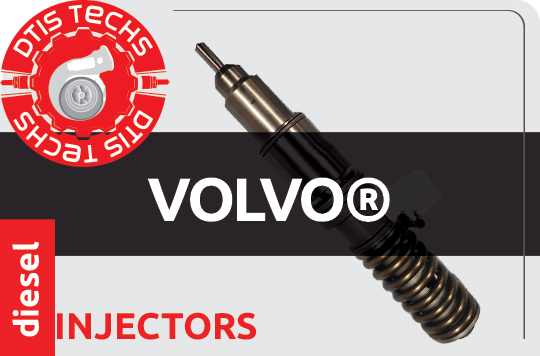
Injectors are not universal components. A Cummins, Power Stroke, Duramax, Caterpillar, Detroit, International, Volvo, Paccar, or Mercedes-Benz diesel system may use different nozzle designs, solenoid characteristics, control valves, connectors, and calibration requirements. The right part number matters, but so do the details behind it.
A quality reman unit uses replacement components selected for that injector family and is calibrated to meet the intended fuel-delivery specification. This is especially important with high-pressure common rail injectors, where a slight fueling imbalance can turn into noise, haze, poor fuel economy, or elevated exhaust temperatures under load.
Real Testing, Not a Quick Bench Check
An injector can pass a basic electrical test and still fail under pressure. Advanced testing equipment gives the rebuilder a way to check performance at conditions closer to what the injector sees on the engine. That testing should identify excessive return flow, weak output, inconsistent delivery, sticking behavior, and other failures that a visual inspection cannot catch.
For a shop, that testing helps prevent costly comebacks. For an owner-operator, it helps protect the repair budget and the schedule. A reman injector should arrive ready for installation, not as an experiment that needs to be diagnosed after the truck is reassembled.
Injector Reliability Also Depends on the Fuel System Around It
A reman injector can be built correctly and still fail early if the underlying fuel-system problem is left in place. This is one of the most common reasons customers blame a replacement injector when the actual problem started elsewhere.
If a high-pressure fuel pump has failed and sent metal through the system, replacing injectors alone is not enough. The pump, rails, lines, tank, filters, and related components may need to be addressed based on the engine and extent of contamination. Leaving debris in the system can damage replacement injectors quickly.
Water in diesel fuel is another serious threat. Water reduces lubricity, promotes corrosion, and can damage precision internal surfaces. Dirty fuel filters, degraded fuel lines, contaminated tanks, and poor fuel storage practices all shorten injector life. A new or reman injector needs clean fuel to stay reliable.
Electrical and engine issues matter too. A damaged injector harness, poor connector fit, weak batteries, low cranking speed, air leaks, incorrect fuel pressure, or an unresolved compression problem can produce symptoms that look like injector failure. Diagnose the system before ordering parts, especially when multiple cylinders are showing faults.
Installation Can Make or Break a Good Injector
Injector installation is not the place for shortcuts. Cleanliness is non-negotiable. Dirt introduced into an open fuel system can become an immediate failure risk, particularly on common rail engines. Cap open lines, clean the injector bore, and keep the work area organized.
Use the correct seals, hold-down hardware, torque procedures, and line-routing practices for the engine. Reusing damaged sealing washers, over-tightening a hold-down, or forcing a high-pressure line into position can create leaks and drivability problems. On certain applications, injector seating and bore condition deserve close attention because combustion leakage can damage the injector body and cylinder head area.
If the engine requires injector coding, program the trim codes with the proper scan tool before calling the job complete. Then verify fuel leaks, clear applicable faults, monitor balance or contribution data where available, and perform a proper road test under operating load. A truck that idles smoothly in the bay may show a problem only when boost, cylinder pressure, and fuel demand increase.
When New OEM Injectors May Be the Better Choice
Reman is not always the best answer. For a truck under factory warranty, a high-value engine build, an application with limited diagnostic support, or a fleet policy that requires new parts, new OEM injectors may make more sense. New injectors can also be the preferred choice when a specific application has a known history of difficult reman results or limited quality core availability.
The decision should come down to the truck’s role, repair budget, downtime exposure, and the quality of the reman source. A vocational truck that cannot afford a repeat repair may justify a different parts strategy than an older work truck with a well-maintained fuel system and a trusted technician handling the installation.
Questions to Ask Before Buying Reman Injectors
Before you buy, confirm the exact engine serial range, injector part number, emissions configuration, and any required calibration information. Ask whether injectors are individually tested, whether they include needed seals or installation components, and whether coding information is supplied when the application requires it.
Also ask about warranty terms and the core-return process. A warranty does not replace proper diagnosis, but it does show that the supplier stands behind the remanufacturing work. American Diesel Parts supports diesel repair customers with tested reman injector options, application guidance, and a 12-month limited warranty so shops and truck owners can order with more confidence.
A reliable injector repair starts before the box arrives. Match the injector correctly, correct the cause of the original failure, protect the fuel system from contamination, and install the part by the book. Do that work up front, and reman injectors can be a dependable, cost-effective solution that keeps a diesel truck earning its keep.